
Beats and Machines: The Banger
Growing up a teen in the 90s led me to developing a love for Hip-hop music that I didn't originally have before. Even now, I would say that 90’s hip-hop was the golden era of rap. Most of what made rap hip-hop was the boom-bap. From the High-hats, baselines, and the noticeable trebles that repeated throughout the song, it was easy to get caught up in the melodies and the expertly crafted lyrics.
If you’ve heard of any hip-hop, most of the sound came from a beat machine. This wasn’t known to the ordinary listener back then or at least I wasn’t aware. I always assumed it was all crafted on those $30-$50,000 studio systems where an artist would have to pay thousands of dollars for a 3 hour session. Yes, there are these types of studios that exist, but it all started with the beat maker and that machine was the MPC.
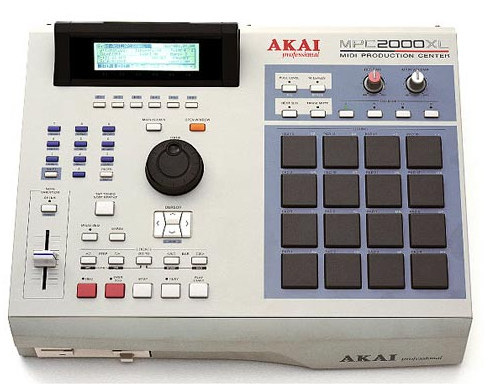
My first introduction to the MPC was the MPC 2000. Of course it wasn’t mine. This MPC belonged to my best friend’s younger brother. This kid was making beats that were comparable to the music that was out. He was better than some of the music you heard on the radio. I never understood the craft of sampling and sound banks. I was a piano and trumpet player that became a rapper. Hip-hop to me before the 90’s was not my lane so initially I didn’t like it. However, seeing the craft for myself, I grew an appreciation of it and heard what the musical device could do. The supersized punchy 16 pads, stood out and gave me a sense that it was easy to make a beat. It was only later that I learned there was a certain skill in finding the right instrument and synth to sonically compliment each other, let alone crafting the beat to make it appealing to the listener.
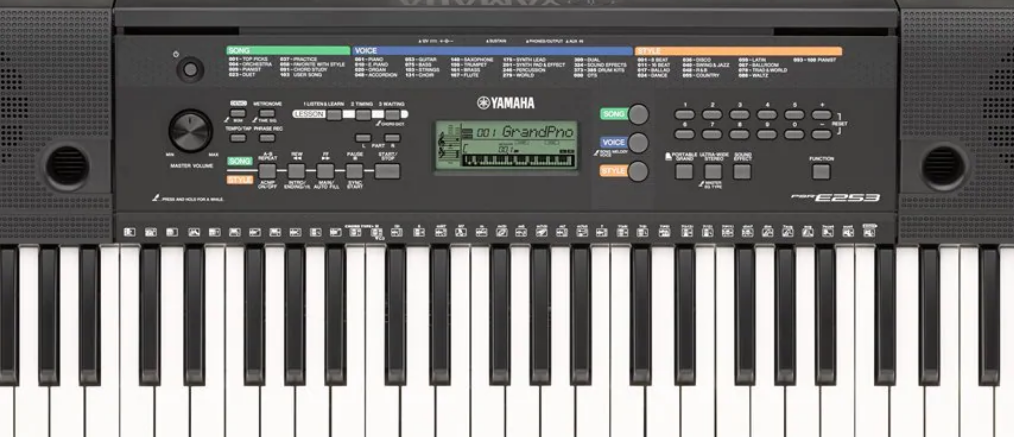
When I saw this beat machine, I went back home to my first Yamaha Casio keyboard which if I can remember was the PSR-2E253. No comparison of course, but I did try my hand at making beats as well. My first time trying to use the default drum kit on the Casio, I noticed that you could cycle through the menu and play the drums on the left side of the keys. I had experience with playing piano from my summertime lessons my mom would take me to. I learned chords and how to play actual songs. The Yamaha Casio keyboard was nothing to brag about, but I was at least able to get a drum beat out of it to play along with some melody. Playing drums with the keys of a keyboard was a far cry from playing on the Akai.
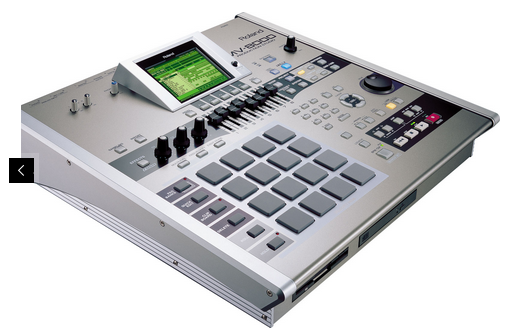
Out of the blue there was a beat machine that I had on my wishlist for quite some time. It was Roland’s MV8000. This bad boy promised to do it all. It took on the whole music studio industry with the idea that an artist can record completely from home from one single device. To me this was revolutionary. The 8 on-board mixer sliders, 16 pads much like the Akai, recording option, and the sampling features.
Through the years, I became more of a computer nerd and went through programs like Magix Studio, Sound Forge, and Fruity Loops which became later renamed as FL Studio. FL Studio allowed me to arrange beats and melodies exactly the way I wanted to. I could grab a snare and move it a few measures on the arrangement window instantly all with a mouse. I was able to transfer my FL Studio made beats from a file to a full blown studio in South Korea. Maximus, Hardcore, and DirectWave were my go-to DAWs for beats. Real instruments were added to compliment the songs I recorded but unfortunately the album didn't do as well as expected.
That same year, a New York based rapper who had begun to pick up some credibility, showed me that his weapon of choice was the Native Instrument’s Maschine. His beats were in demand and I didnt have money to fork over for a new beat machine. I did buy and record a few songs from off his beats on a budget. This eventually led me to purchase the condensed version called the NI Maschine Mikro. The Mikro had what I needed which was portability. For the most part, it carried the same software the full Maschine housed. Beatmakers could always upgrade your sound library with the NI Komplete series. One that I liked about the Mikro was the ability to roll the high-hats with one or 2 buttons much like it’s bigger brother.
For the rest of my music journey, I paid professional beat makers who honed in their craft and sold to people across the internet. For my best album ever, the beats were made from the MPC. My latest album, the beatmaker created the beats with Reason. Reason is a whole other beast, I will discuss some other time. Some are loyal to one brand, while other beat makers use everything to add to their arsenal to craft their masterpiece.
Posted, 9 Oct 20